



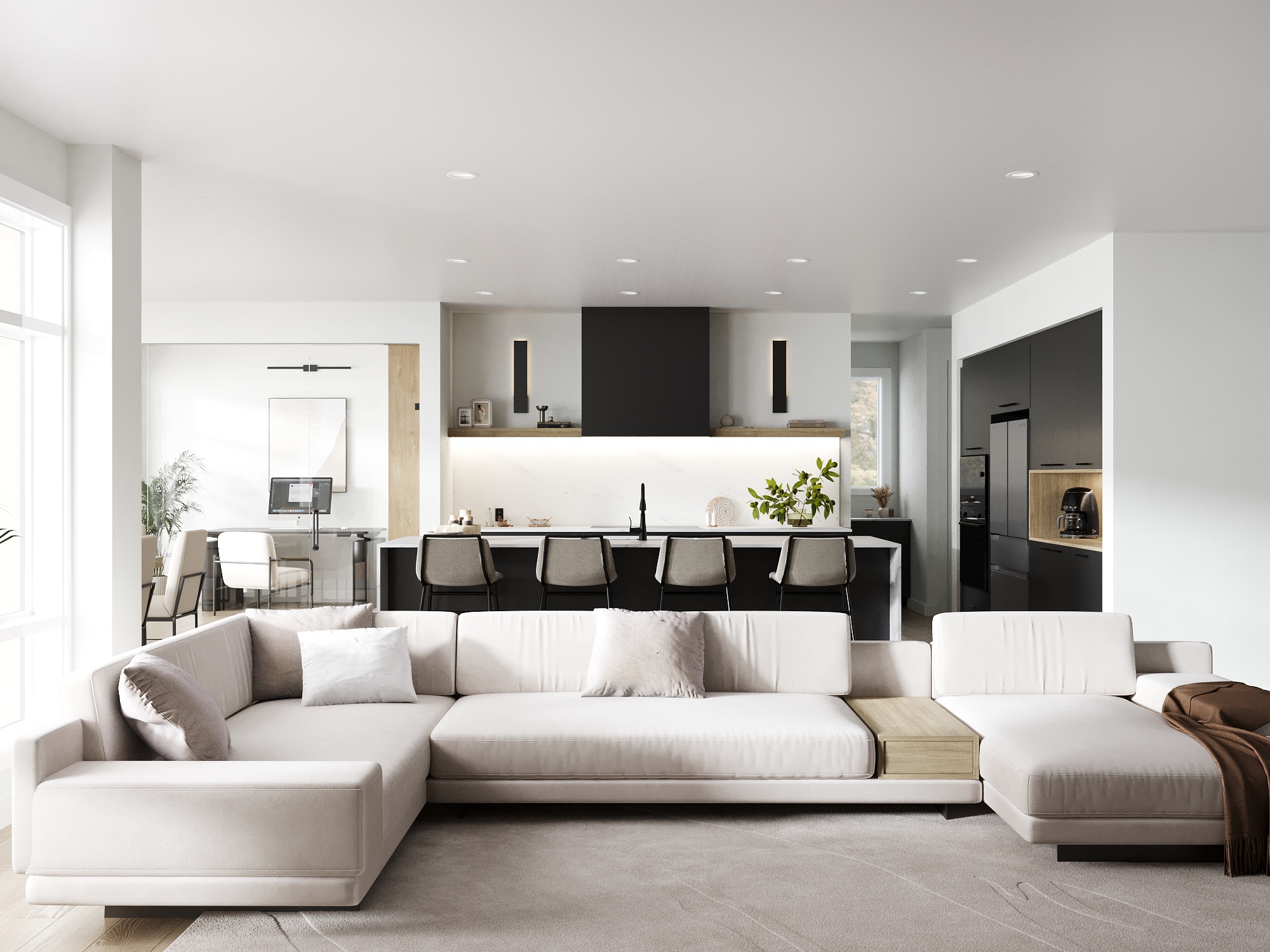
As we move deeper into 2026, the conversation around interior design is evolving alongside homeowner priorities. Today's buyers are more informed, more intentional and increasingly invested in spaces that reflect personal values of wellness, adaptability, sustainability and timeless yet functional aesthetics. These trends are not merely stylistic but respond to how people live, work and interact with their spaces everyday. The following trends are shaping modern residential projects and setting expectations for quality, comfort and long-term value.
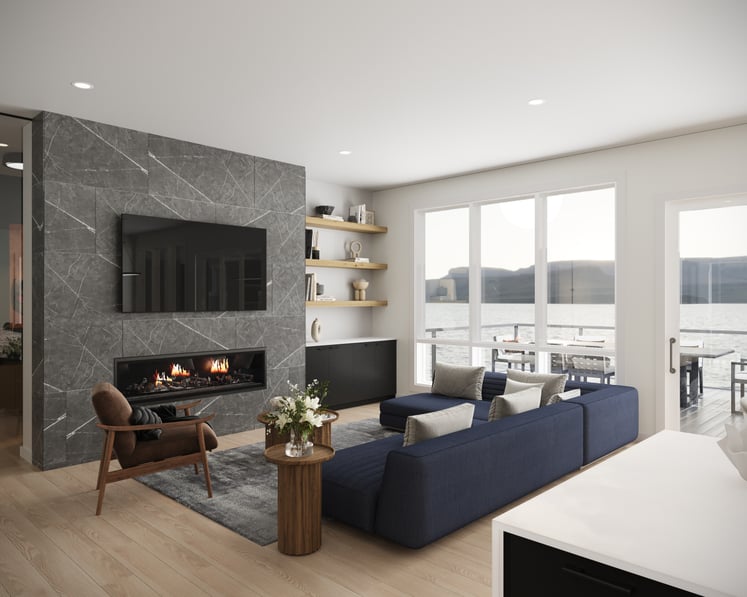
Warm minimalism
Minimalism gets a softer, more approachable makeover in 2026. Clean lines and uncluttered layouts remain essential, but now balanced with warmer, softer elements:
- Neutral palettes still dominate, but warmer neutrals with creamy undertones and earthy hues like soft terracotta, clay and muted sage greens are becoming increasingly popular. Benjamin Moore's 2026 Colour of the Year, Silhouette, is a sophisticated blend of expresso brown with charcoal gray captures this shift toward richer, more luxurious interiors.
- Natural wood tones over stark white, creates inviting, cozy interiors where wood's natural grain and warmth adds depth and softness to rooms making them feel less sterile and more comfortable.
- Soft matte finishes are increasingly preferred over high-gloss, showing up across cabinetry, plumbing fixtures, hardware and lighting selections, diffusing light more softly to reduce visible fingerprints and surface imperfections and contributing to a calmer, more understated aesthetic.
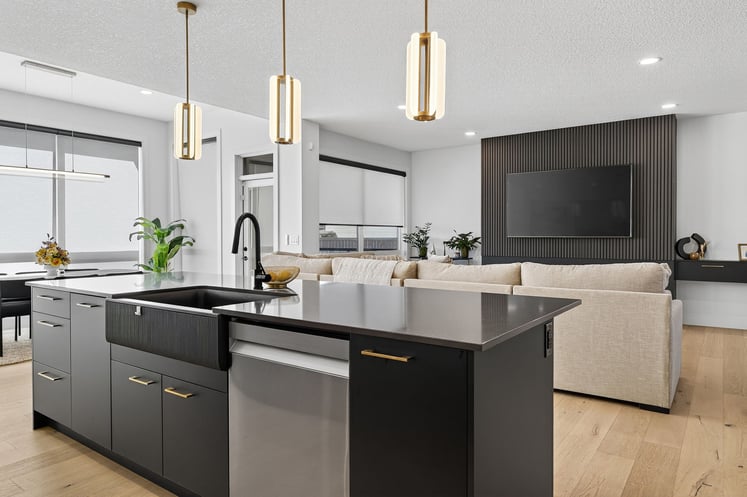
Sensory design with curves and textures
Instead of highly polished, hard-edged surfaces dominating every room, we’re seeing more ribbed detailing, fluted millwork, and subtly contoured hardware that feel warm to the touch and visually quiet. This shift supports calmer, more sensory interiors where the experience of moving through the home becomes just as important as the overall aesthetic.
- Incorporation of tactile elements: softly textured wall treatments and touchable surfaces such as wood slat paneling and plaster finishes add an alluring focal feature with with refined depth creating a calming atmosphere and making spaces feel more grounded.
- Curves and organic shapes in furniture soften interiors while maintaining simplicity, introducing a sense of flow and ease without adding visual clutter. Rounded edges on sofas, sculptural accent chairs, arched headboards, and organically shaped coffee or side tables help spaces feel more relaxed and approachable, especially when paired with streamlined millwork and clean architectural lines.
- Layered lighting that combines ambient, task and accent lighting for a more adaptable interior feel by improving visual comfort and highlighting architectural features.
Bespoke Onyx Showhome in Arbours Estates
Wellness-centric spaces
Health and wellbeing continue to be a dominant theme in home design with requests to foster healthier lifestyles and nurture physical and mental wellness. Metrics such as air quality, access to daylight, and spaces dedicated to relaxation are now integral to floor plans and finish selections.
- Natural light optimization through carefully planned windows and open sightlines is a core design principle in every Kanvi home and aids in regulating circadian rhythms, improving mood and mental health, boosting vitamin D levels and enhancing sleep quality.
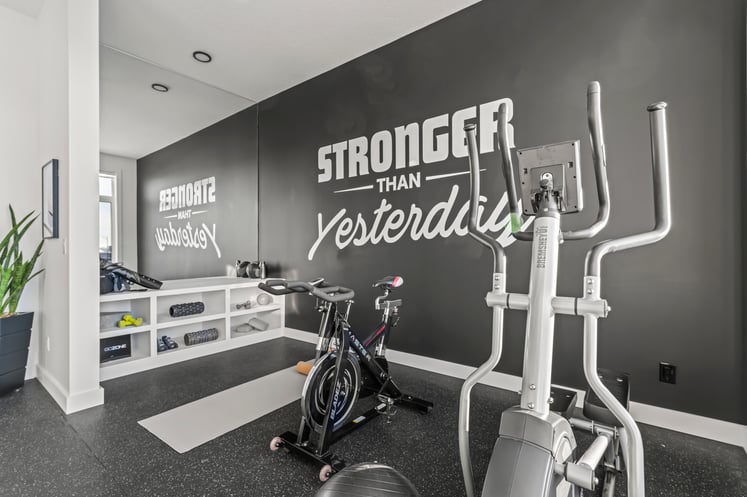
- Retreat spaces or home gym for relaxation, yoga or strength training, giving both mind and body a space to fully decompress and restore a sense of calm and balance.
- Improved air and water quality with advanced ventilation systems and built-in filtration. Mechanical systems such as HRVs (heat recovery ventilators), properly balanced ductwork, and higher-grade filters help reduce allergens, dust, and pollutants while maintaining consistent fresh air exchange throughout the home. Integrated water filtration at key fixtures further supports everyday wellness by providing cleaner, better-tasting water for drinking and cooking, contributing to a healthier indoor environment for the whole family.
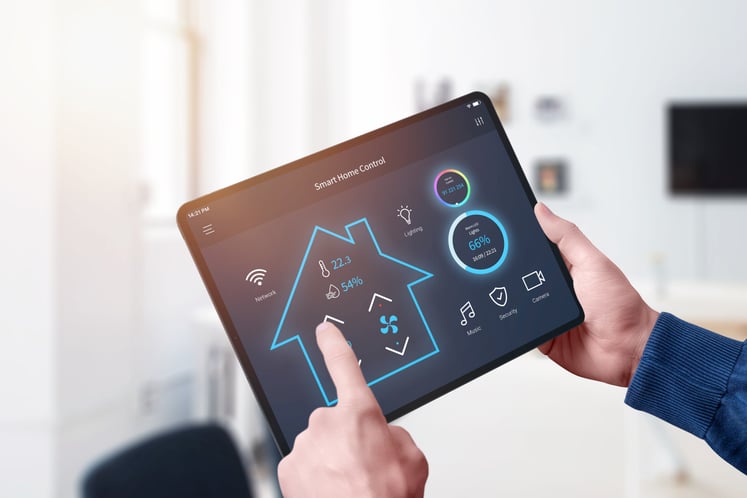
Smarter Homes with a quieter presence
As technology becomes a standard part of everyday living, new homeowners are prioritizing smart infrastructure at the design stage rather than retrofitting later. Incorporating these future-ready systems during construction allows for optimal placement of wiring and control hubs ensuring a clean, integrated finish.
- Low-voltage systems are a foundational part of any home construction, but integration of technological advancements are becoming increasingly more common. Centrally controlled lighting and dimmers; security systems with smart locks, cameras and video door bells, home audio systems creating theatre-like experiences and electric vehicle charging stations are a few examples of smart infrastructures that are being embedded into current home's wiring plans.
- Zoned HVAC systems allow for the heating and cooling be adjusted room by room, creating personalized comfort and better performance and increased energy efficiency.
- Solar panel systems provide practical, financial and environmental advantages to any home. From lowering energy costs, boosting property value and reducing carbon footprints, the benefits are clear. Pre-wiring solar conduits from the roof to the mechanical room lays the groundwork for future solar installations and avoids the disruption and expense of retrofitting later.
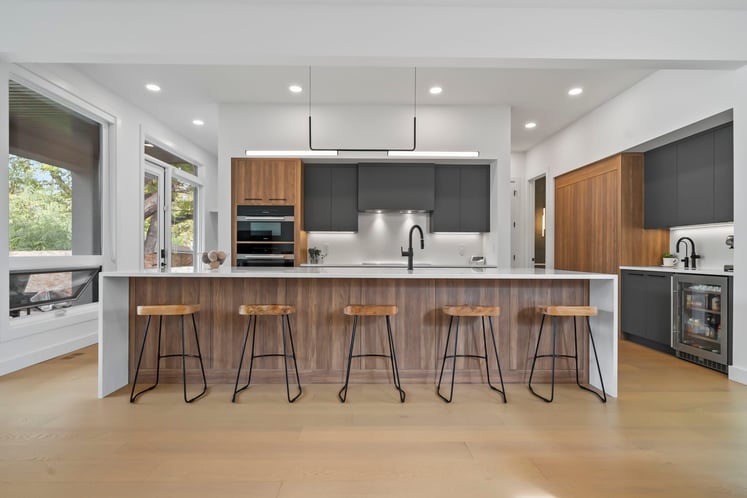
Kanvi custom infill in Park Allen
Kitchens designed for daily Life
Kitchens are a visual focal point for the home, as schedules are getting busier, homeowners are looking for ways to boost efficiency in theses highly organized hubs.
- Smart appliances with remote control automation that can do everything from send you images of your fridge contents while you are at the store or send alerts when your food is done cooking in the oven.
- Secondary prep areas or “back/butler kitchens” provide additional counterspace, a secondary sink and room for small appliances, allowing the main kitchen to stay tidy an clutter free.
- Integrated appliances blend in seamlessly with the cabinetry creating a cohesive, streamlined look that elevates the overall design of the kitchen.
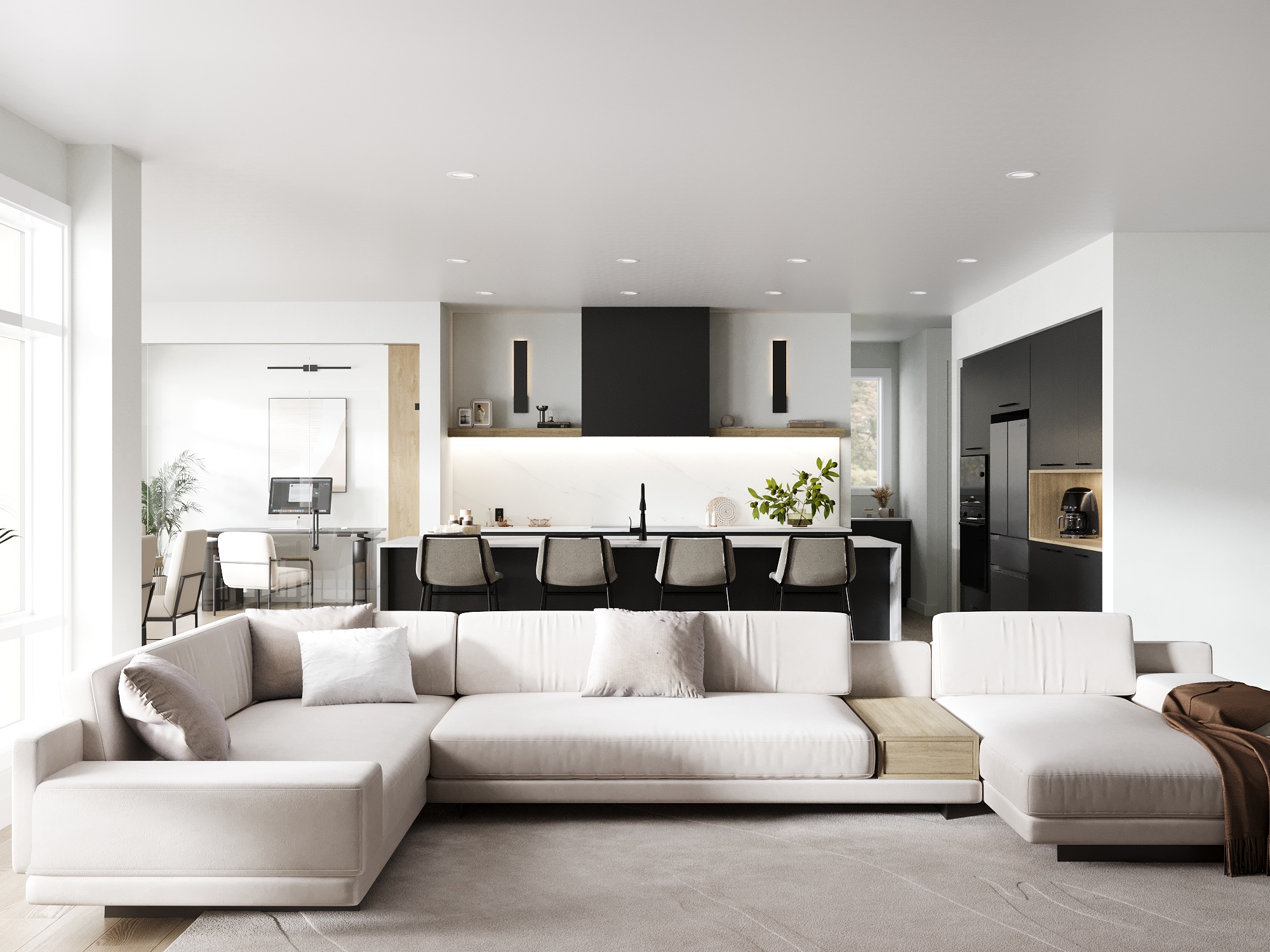
Together, these emerging design trends highlight the importance of homes that perform as thoughtfully as they’re styled, supporting calmer interiors that work harder behind the scenes to make everyday living easier, healthier and more efficient.
Be sure to subscribe to our blog below to stay up-to-date on the latest modern architecture and interior design trends.
Have a question about interior design or want to reach out to our Interior Design Team? You can contact them here.